
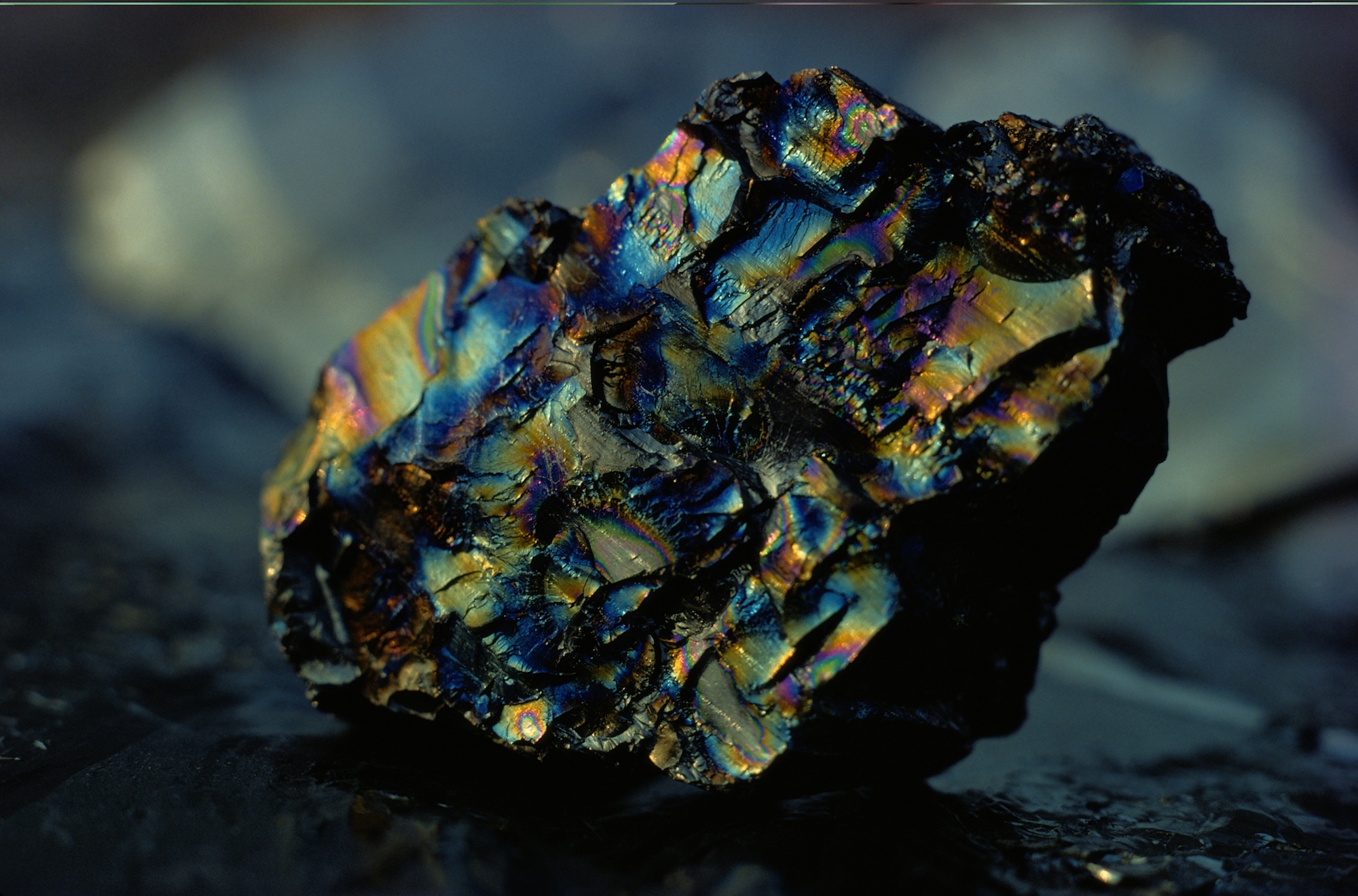
Coal (Charcoal / Makala) from Goma, Democratic Republic of the Congo
Product Description — Goma Coal (Charcoal / “Makala”)
Product Name: Goma Charcoal (“Makala”)
Type: Biomass-based charcoal fuel
Form: Bagged (typically 25 kg, 50 kg, or 70 kg sacks)
Primary Use: Household cooking, commercial food preparation, and small-scale heating applications
In Goma, located in the Democratic Republic of the Congo, the product commonly referred to as “coal” is primarily charcoal made from carbonized wood, locally known as makala. It is the dominant household energy source in the region due to limited electricity access and high fuel costs.
Key Product Characteristics
• High heat output
• Long burning duration
• Low moisture content
• Moderate ash residue
• Suitable for traditional charcoal stoves and commercial cooking
Area Produced / Sourced
Charcoal supplying Goma is primarily produced in forested rural areas of North Kivu Province, including zones surrounding Virunga National Park and nearby territories such as Masisi and Rutshuru.
Production is largely:
• Artisanal and small-scale
• Conducted using traditional earth kilns
• Wood-based rather than fossil coal mining
There are no major industrial coal mines operating in or around Goma. The fuel marketed locally as coal is almost entirely biomass charcoal.
Export Destinations
Domestic Distribution
Most charcoal produced for Goma is:
• Sold within Goma city
• Distributed across eastern DRC cities such as Bukavu and Butembo
• Transported by trucks, pickups, and motorcycles
Regional Trade
Limited informal cross-border trade may occur with neighboring East African markets. However:
• Charcoal from Goma is primarily a local and regional commodity
• It is not a major international export product
• The DRC’s primary exports remain minerals such as copper, cobalt, gold, tin, and diamonds
Frequently Asked Questions (FAQs)
Is coal mined in Goma?
No. The product commonly sold as coal in Goma is wood-derived charcoal (makala), not deep-mined fossil coal.
What is the main use of charcoal in Goma?
It is primarily used for:
• Household cooking
• Street food vendors
• Small restaurants
• Small-scale commercial heating
How is quality evaluated?
Quality is assessed by:
• Burning time
• Heat intensity
• Ash production
• Moisture content
• Uniformity of carbonization
Is the production sustainable?
Much production is artisanal and wood-based, which can contribute to deforestation if not properly managed. Efforts are emerging to promote:
• Sustainable woodlots
• Biomass briquettes from agricultural waste
• Improved carbonization methods
Can Goma charcoal be exported internationally?
While technically possible with proper documentation and quality control, it is mainly a regional product and not widely traded internationally at large commercial scale.